Walk into almost any local gas station, bodega, or smoke shop, and you will find colorful shot bottles, blister packs of chewable tablets, and glossy capsule pouches sitting right next to energy drinks and snacks. Marketed as “natural” mood boosters, study aids, or stress relievers, these over-the-counter products contain potent, unregulated compounds—specifically kratom, concentrated 7-hydroxymitragynine (7-OH), tianeptine, and phenibut.
These substances share critical risks:
- none undergo safety review by the FDA,
- none have adequate warning labels about addiction, and
- none consistently show up on standard school or medical drug screening panels.
This can lead to delayed medical care, misdiagnosis of acute psychiatric or neurological emergencies, and missed opportunities for early intervention. Furthermore, teens do not need a prescription or interaction with a pharmacist to buy them, creating a false perception that legal retail availability equals safety.
What These Products Look Like on Store Shelves
Because packaging often mimics mainstream energy shots, herbal teas, or nootropic supplements like herbal extracts, these products easily blend into a student’s backpack or locker. Below are images flagged by federal health agencies and investigative reports.
Kratom & Concentrated 7-OH
Sold as loose powders, teas, gummies, liquid shots (e.g., O.P.M.S. Liquid Kratom), and high-potency pressed or chewable tablets (e.g., 7-OHMZ, 7Tabz, Press’d, Hydroxie).
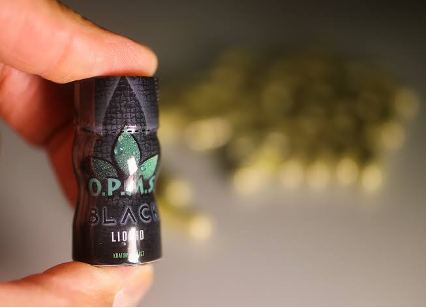
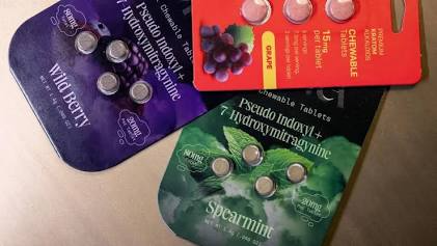
Tianeptine
Frequently called “gas station heroin” and sold in small capsule bottles or liquid “elixir” shots under names like ZaZa Red, Tianaa, Pegasus, TD Red, and Neptune’s Fix.
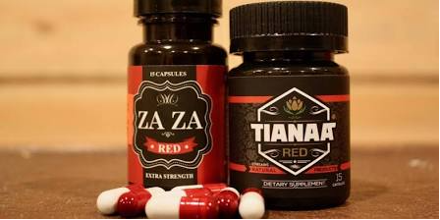
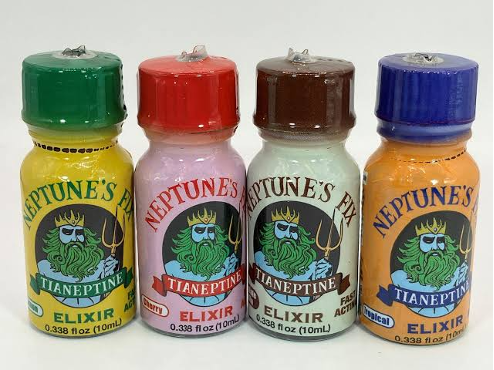
Phenibut
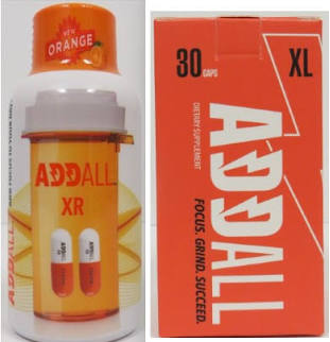
Marketed as a focus, cognitive, or relaxation supplement in bulk powders, capsules, or energy shots such as Addall XR.
Breaking Down the Ingredients and Impacts
For adolescents, the appeal often starts with academic stress, social anxiety, or fatigue.
| Substance | What it does | What can go wrong |
|---|---|---|
|
Kratom plant-based |
A little can feel like caffeine. More can make you very sleepy and slow your body down. | Your body gets used to it, so you need more. Stopping can feel like a bad flu. Liver damage, seizures, and seeing or hearing things that aren’t there have been reported. |
|
7-OH 7-hydroxymitragynine |
A very strong part of kratom, concentrated or made in a lab. It works like an opioid painkiller, only much stronger than the plant. | Your body can get used to it fast. Stopping can mean throwing up, body aches, and panic. Too much can slow or stop your breathing. |
|
Tianeptine sold as “gas station heroin” |
A drug never approved in the U.S. It acts on the same brain receptors as opioids. | Hard to stop. Dangerous heart rhythm problems, seizures, and deaths have been reported. Some products have also contained other hidden drugs, like K2/Spice. |
|
Phenibut sold as a “focus” supplement |
A lab-made drug that slows your brain down, like alcohol or Xanax. | Your body can depend on it within days to weeks. Quitting suddenly can cause shaking, seeing things that aren’t there, and seizures. |
Prevalence and Addiction
National data shows that overall adolescent use rates remain relatively low compared with alcohol or cannabis, though kratom use among teens is rising sharply, and exact national percentages do not yet exist for concentrated 7-OH, tianeptine, or phenibut because major federal youth surveys do not track them separately.
While the overall percentage of kratom use is under 1% in teens, the number of teens using kratom jumped 51% between 2023–2024, from 43,000 to 65,000. In 2025, U.S. poison centers documented 3,434 kratom exposures, an increase of approximately 1,200% compared with 2015.2 Newer synthetic products like 7-OH and tianeptine aren’t yet captured separately on major federal youth surveys, and roughly 1 in 4 regular kratom users develop clinical signs of a substance use disorder.
Why Educators Are on the Front Lines
Students rarely purchase these products intending to use an opioid or central nervous system depressant; instead, they often read a convincing supplement label promising better focus, anxiety relief, or an energy boost. It’s called Addall XR — a play on Adderall. Because these compounds bypass routine urine drug screens, sudden shifts in a student’s baseline—such as extreme daytime lethargy, unexplained sweating, erratic mood swings when unable to access a drink or pill pack, or frequent trips to nearby corner stores—are often the earliest indicators that a student needs supportive medical and counseling intervention.
- Akron Children’s Hospital: Johnson, K. (2026, June 1). What parents should know about “gas station heroin” and other emerging drug risks (Interview with Laura Markley, MD).
- Centers for Disease Control and Prevention (CDC): Towers, E. B., et al. (2026). Increases in Kratom-Related Reports to Poison Centers — National Poison Data System, United States, 2015–2025. MMWR Morbidity and Mortality Weekly Report, 75(11), 139–145.
- Centers for Disease Control and Prevention (CDC): Counts, C. J., et al. (2024). Notes from the Field: Cluster of Severe Illness from Neptune’s Fix Tianeptine Linked to Synthetic Cannabinoids — New Jersey, June–November 2023. MMWR Morbidity and Mortality Weekly Report, 73(4), 89–90.
- Centers for Disease Control and Prevention (CDC): Graves, J. M., et al. (2020). Notes from the Field: Phenibut Exposures Reported to Poison Centers — United States, 2009–2019. MMWR Morbidity and Mortality Weekly Report, 69(35), 1227–1228.
- U.S. Food and Drug Administration (FDA): Hiding in Plain Sight: 7-OH Products (2025/2026 Public Health Focus & Warning Letters); New “Gas Station Heroin” Tianeptine Product Trend (2025); FDA Advises Consumers Not to Eat, Sell, or Distribute Addall XR Shot (April 2026 Safety Alert).
- America’s Poison Centers: Serious Illnesses Associated with Kratom and 7-OH Products (July 2026 Surveillance Alert).
- Edinoff, A. N., et al. (2023). Tianeptine, an Antidepressant with Opioid Agonist Effects: Pharmacology and Abuse Potential, a Narrative Review. Pain and Therapy, 12(5), 1121–1134.
- Penzak, S. R., & Bulloch, M. (2024). Phenibut: Review and Pharmacologic Approaches to Treating Withdrawal. Journal of Clinical Pharmacology, 64(6), 652–671.
- Kruegel, A. C., et al. (2019). 7-Hydroxymitragynine Is an Active Metabolite of Mitragynine and a Key Mediator of Its Analgesic Effects. ACS Central Science.
- Grewal, K., et al. (2023). Kratom-Induced Psychosis: A Systematic Review. Psychiatry Research Case Reports.
- Academic Medical & Investigative Journalism: Yale Medicine, Kratom: What Is It and Is It Safe?; Medical University of South Carolina, What an Addiction Doctor Wants You to Know About Risks of Kratom and 7-OH (Nov. 2026); Tampa Bay Times, The Tampa Bay Times Tested 20 Kratom Products (Dec. 2023); CBS News, FDA Issues Warning Against “Gas Station Heroin” Tianeptine (May 2025).